Background
Author Information
Foundational Concepts Slide Decks
The foundational concepts slide decks can help provide context for text-based discussions, transmediation practice, and multimodal projects. Suggested slide decks for Dream Country include: (De)colonization, Culture, Diaspora, Narrative, Race.
Engagement
Paratextual Engagement
“Paratext and Literary Value,” CanLit Guides
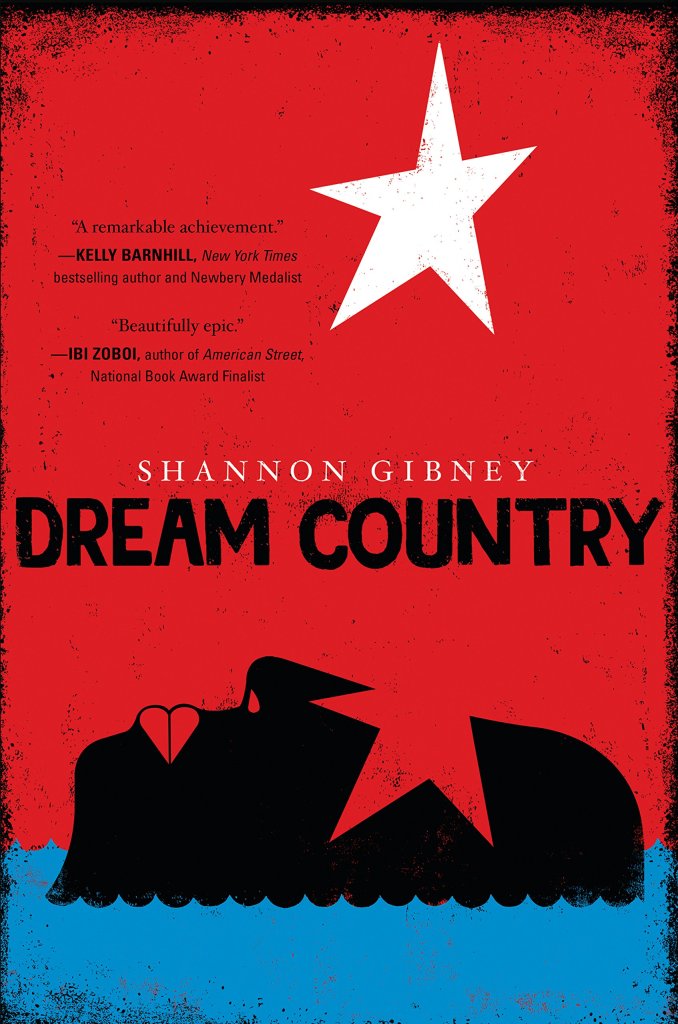
Possible paratextual reflection questions for Dream Country could include:
- Describe the imagery on the novel’s cover. What does it say to you? Does it remind you of imagery you’ve seen before? What might the imagery reveal about cultural (or nation-state) considerations in the text?
- Reflect on the title, how the title is positioned on the cover, and the font that is used. What do these elements communicate to you? What are some of your own associations with the words in the title? Where do these associations come from (consider your cultural perspective, lived experiences, etc.)?
- Consider the reviews/reviewers on the cover. What might they tell us about the scope of the novel?
- Choose one other paratextual element and create your own reflection question for the class.
Collaborative Engagement Digital Wall

Critical Intercultural Inquiry
Critical Lenses
Suggested critical lenses for facilitating critical intercultural inquiry into Dream Country include the (de)colonial lens, race lens, historical lens, culture and/or ethnicity lens, and diaspora lens. The questions listed under each lens can be used as a starting point, and the class community can add more specificity to these questions based on the novel and inquiry process.
Reflection Prompts
Below are possible critical intercultural inquiry reflection prompts for Dream Country. These could be used to guide/focus readings, class discussions, or smashbook entries.
- What are the cultures (and subcultures) in the novel? Which characters belong to these cultural groups? How do these cultural affiliations inform the characters’ identities?
- How does your cultural lens impact your reading of this text? Do you see your culture(s) (or elements of your cultures) reflected in the novel? What more do you need to know to understand the cultural backgrounds and perspectives of the characters?
- Consider the dialects used in the narrative. What do they reveal about cultural ways of communicating and knowing? How does dialect relate to power structures in the novel?
- How and where are power dynamics revealed in the novel (think about parent/child, peer-to-peer, teacher-student, colonial, and military relationships)? How do these power dynamics relate to race, ethnicity, or culture?
- What are some elements related to culture and/or power in the novel that you would like to explore? Create a reflection question and pose it to the class.
Empowered Multimodal Scholarship
Transmediation Prompts
Transmediation prompts for student-led discussions on Dream Country could include:
- Locate a text/object that reminds you of one of the characters in Dream Country. What is it about this text/object that connects to this particular character for you? How might identity and culture come into play here?
- Locate a text/object that connects to one of the overarching themes of the book. What is the theme and how does the text/object connect to it? How does this theme relate to how culture and/or power is expressed in the novel?
- Locate a text/object that connects to a specific passage in the book. Which passage did you choose and how does the text/object connect to it? How does this passage relate to culture and/or power?
- The narrative of Dream Country spans multiple continents, time periods, and contexts. How might you visually express this narrative structure through a collection of texts/objects? How is the narrative impacted or informed by power dynamics? How do these texts/objects enter into conversation with one another and the novel?
- Design your own transmediation prompt on some aspect of Dream Country and suggest it to the class.
Multimodal Projects
The following prompts could be used to guide student inquiry and shape longer multimodal projects. In addition to (or instead of) the instructor providing prompts, students can develop their own prompts with support from the instructor.
- Consider the relational and power dynamics between African-Americans and Liberians in the novel. How do these dynamics connect with concepts such as ethnicity, race, culture, and diaspora?
- Consider how education/educational systems are represented in the novel. What role does education serve? How is education informed by culture? How do educational systems perform or reinforce power dynamics that exist in the larger society?
- How is violence portrayed in the novel? What are the roots and impacts of this violence? How do the episodes of violence relate to overall power dynamics represented in the novel (such as colonization)?
- Consider the imagery and psychological function of dreams throughout the novel. In what ways are these dreams culturally informed? How do these dreams relate to or inform power dynamics throughout the novel?
Additional Resources
Shannon Gibney interviewed by Kerri Miller, MPR News Podcast
 Narrative (and) Power